
The Most Valuable Rare Pokémon Cards Right Now (And How to Tell If You Own One)
Somewhere between a dusty binder in your parents’ attic and a $16 million auction hammer, the Pokémon card market has quietly become one of the most active collectibles categories in the world. Prices swing hard, hype cards come and go with every new set, but a small handful of cards keep setting the bar the rest of the hobby measures itself against. Here’s what’s actually driving value right now — and how to tell whether something in your own collection might be worth more than you think.
The Record-Breakers: Cards Worth More Than a House
At the very top sits the Pikachu Illustrator, a 1997–1998 Japanese promo originally given only to winners of a CoroCoro Comic illustration contest. Roughly 39 copies were ever distributed. In early 2026, a PSA 10 copy sold at auction for over $16 million — a Guinness World Record for the most expensive trading card ever sold. Not far behind is the Trophy Pikachu No. 1 Trainer, another ultra-limited tournament prize, which has changed hands for around $3 million.
You will almost certainly never own either of these. They matter because they set the ceiling — proof of what extreme scarcity plus cultural weight can do to a piece of cardboard.
The Vintage Blue-Chips: Still Worth Serious Money
More realistically, this is where old collections tend to hide value. The 1999 Base Set 1st Edition Shadowless Charizard remains the most iconic card in the hobby, and a PSA 10 copy has sold for well over $400,000 at auction. Even a played copy graded PSA 7 or 8 can bring $15,000–$30,000. The catch: it’s also the single most counterfeited Pokémon card in existence, so authentication matters as much as ownership.
A quick way to check: every genuine 1st Edition Base Set card is Shadowless, meaning there’s no drop shadow around the artwork box. If a card is stamped “1st Edition” and has a visible drop shadow, that combination doesn’t exist on a real card — one detail that rules out a large share of fakes circulating online.
Modern Chase Cards Worth Watching
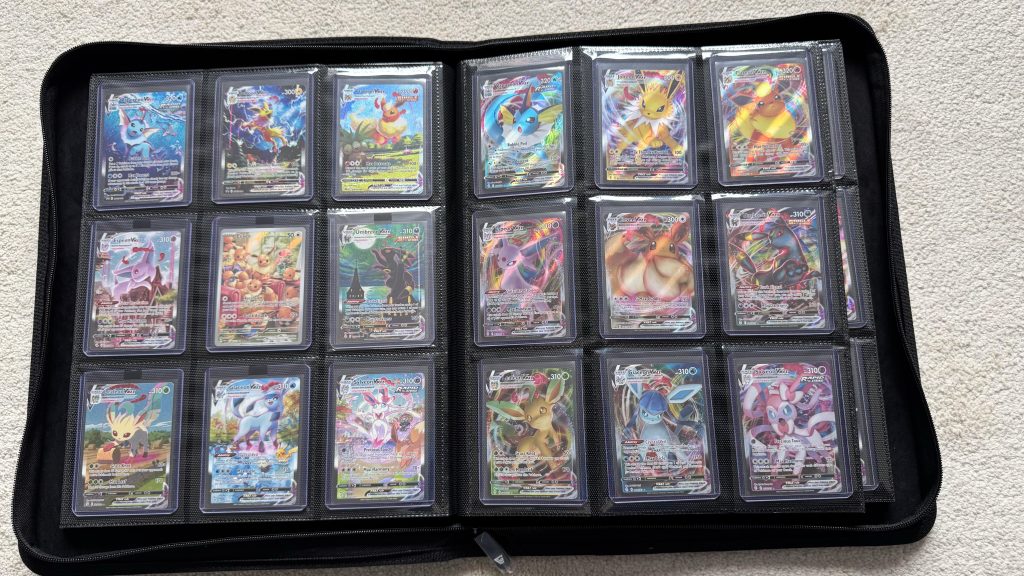
Not every valuable card is decades old. Special Illustration Rares (SIRs) from recent sets — full-art, panoramic alternate versions of popular Pokémon — have become the modern equivalent of a vintage holo. Standout Eeveelution and Charizard SIRs have traded for $1,000 or more raw, with graded copies commanding a real premium. Pull rates on cards like this run around 1 in 50 packs, part of why they tend to hold value instead of crashing the week after release.
Modern market prices move fast — a card worth $300 in one month can be worth $800 a few months later — so treat any specific number as a snapshot, not a guarantee. It’s worth checking current listings rather than relying on a single price you read once.
What Actually Makes a Card Valuable
Four things drive the value of any rare Pokémon card, vintage or modern:
- Print run. Fewer copies made means a smaller ceiling on supply, full stop.
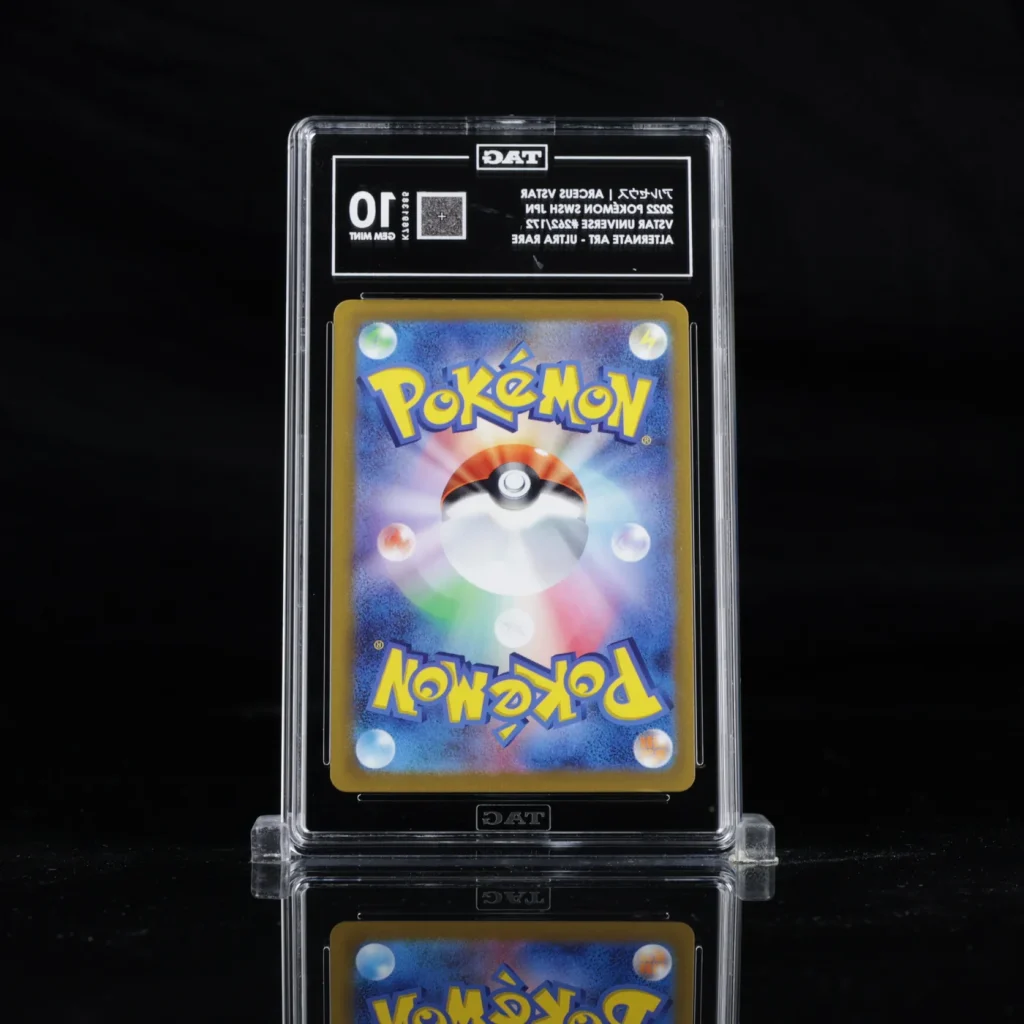
- Condition and grade. A PSA 10 can be worth 10–100x the same card in a played, lower grade — centering, corner sharpness, and surface scratches all count against it.
- Cultural relevance. Charizard and Pikachu cards consistently outperform equally rare cards featuring less iconic Pokémon.
- Authenticity. None of the above matters if the card is fake. For anything selling above roughly $100, professional grading (PSA, BGS, or CGC) isn’t just for resale value — it’s the safest way to confirm a card is real, since graders reject counterfeits before they’re ever slabbed.
Think You Might Have Something?
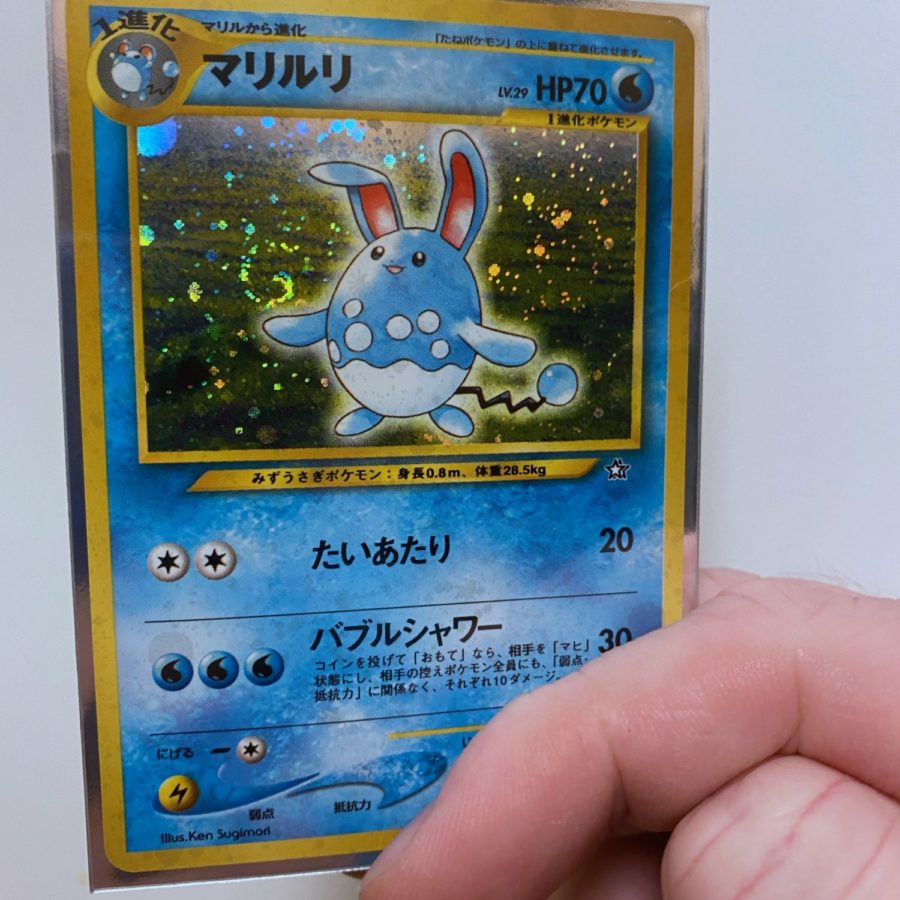
Before you assume a holo in a binder is worthless bulk, check the set symbol and card number against a rarity guide, look for edition markings, and compare it against recent sold listings rather than “buy it now” prices, which tend to run high.
If you’re ready to buy rather than appraise, browse our Rare Pokémon Cards collection — every listing notes edition, grade, and condition upfront, so you’re comparing apples to apples instead of guessing.